FilmFX

2000s photo filter online Y2K, CCD & old-phone looks.

Choose a Y2K camera direction before adding more grain: crisp flash, punchy pocket-camera color or the softer detail of an early phone. All three effects process your photo locally.

Try the sample photoYour photo stays on your device

Three digital directions, on the same photo

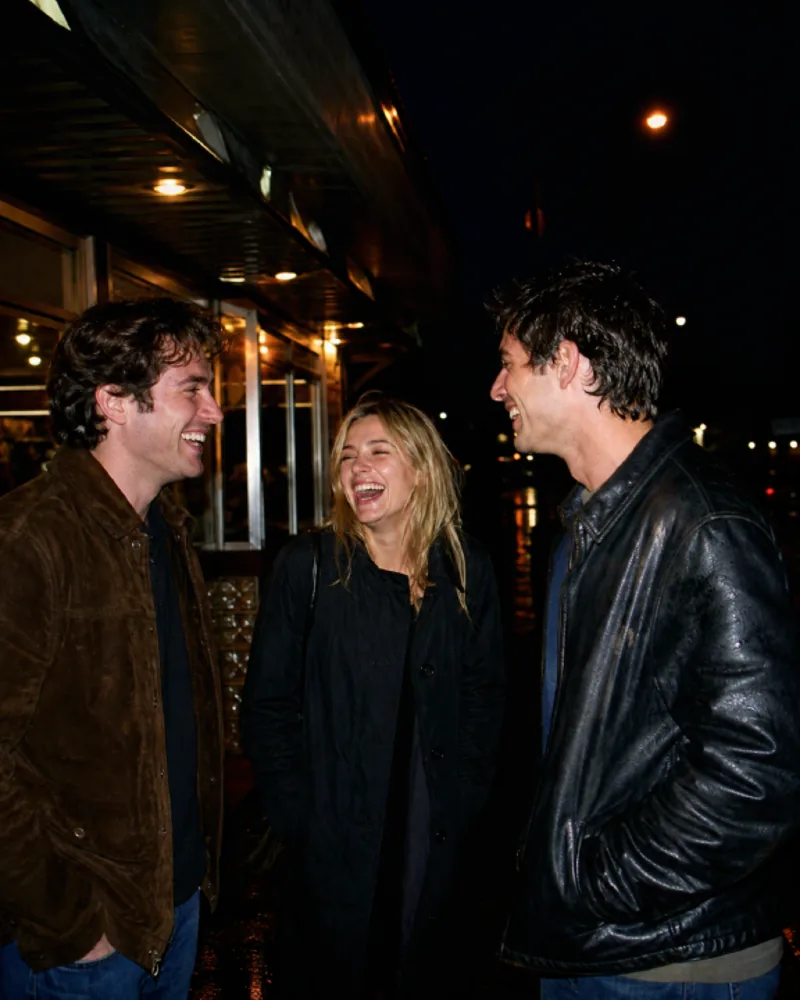
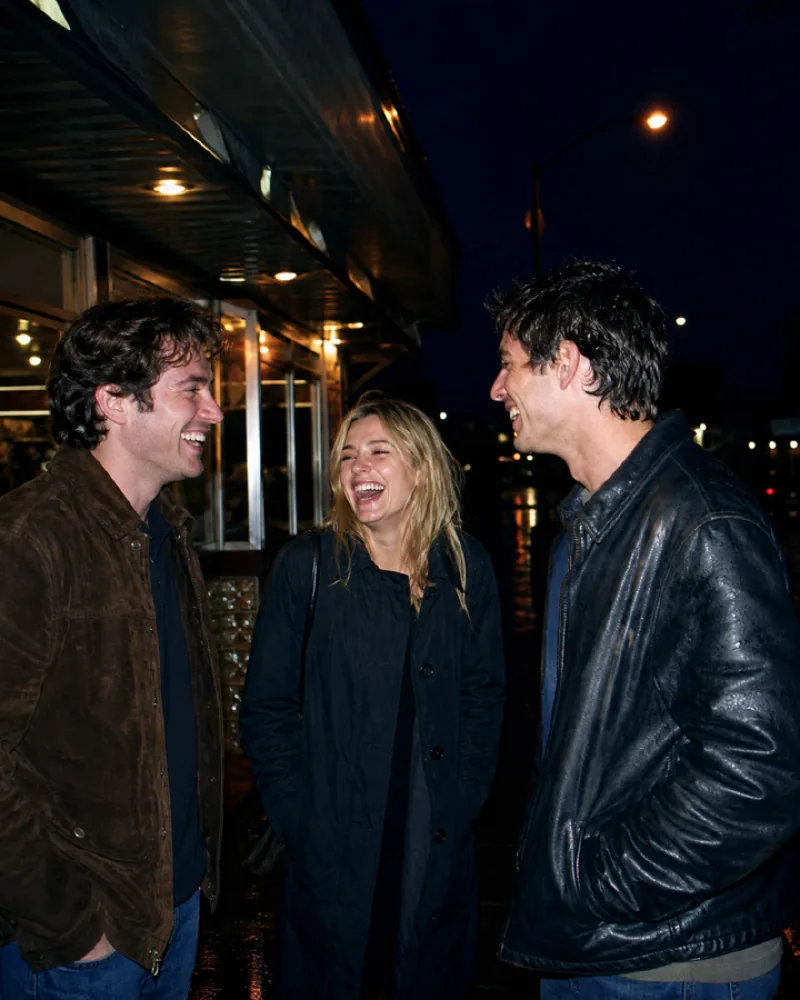
2003 Flash adds a little exposure and contrast with cooler shadows, then reduces detail and the number of tonal steps. Pocket CCD keeps stronger color and a warmer highlight. Old Phone is visibly softer and more restrained in saturation. Compare them on a face, a sign and a dark corner before choosing the full effect.

The camera texture comes from a smaller internal pixel grid, limited tonal levels and a slight channel offset. The exported file keeps your chosen dimensions. It is a stylized digital treatment, not calibrated reproduction of a CCD sensor, a named camera or JPEG compression. For a cleaner daylight snapshot start with the separate Digicam page; for film-era color and grain try 90s Photo.

A real before-and-after from this filter

This comparison uses the starting preset at 82% strength, matching this page’s studio entry. Compare the same source before trying your own photo.

Three friends laugh outdoors at night under direct camera flash before the 2000s effect.
Original
The same flash photo with 2003 Flash at 82%, cooler shadows and limited early-digital tones.
Filtered result

Pocket CCD on the same flash photo

Pocket CCD at 82% keeps more saturated color and a warmer highlight than 2003 Flash. The example uses the identical source photo, so the lighting difference is not being supplied by a different image.

Three friends laugh outdoors at night under the same direct camera flash used for the 2003 Flash example.
Original
The identical flash photograph processed with Pocket CCD at 82%, showing a separate early-digital color and detail treatment.
Filtered result

Old Phone with softer detail

Old Phone at 82% uses a smaller internal image grid and fewer tonal levels. Look at the background and clothing as well as the face. Export dimensions remain separate from this creative detail reduction.

Three friends laugh outdoors at night under the same direct camera flash used for the 2003 Flash example.
Original
The identical flash photograph processed with Old Phone at 82%, showing a separate early-digital color and detail treatment.
Filtered result

Choose the next step for this image

Keep editing the photo, or use a separate tool when you need a texture file, a paper frame or several finished images.

Make a Y2K photo in three steps

  1. 01

    Choose a suitable snapshot

    Open a photo or try the sample. A real flash photo is the best starting point for 2003 Flash.

  2. 02

    Compare three camera looks

    Switch between 2003 Flash, Pocket CCD and Old Phone. Lower strength if skin or small text becomes too harsh.

  3. 03

    Finish and save

    Add an optional date stamp in the studio, or use the frame tool afterward. Download without a watermark.

Questions worth answering first

FilmFX is independent and is not affiliated with or endorsed by Fujifilm, Kodak, or another film manufacturer. Brand names are used descriptively, and browser results can differ from camera output.

What does a 2000s photo filter look do to a photo?+

It adds early-digital color, softer detail and limited tonal levels. Compare 2003 Flash, Pocket CCD and Old Phone on the same photo, then reduce strength to keep skin and small details clear.

Is this the same as a 90s film filter?+

No. This page emphasizes early digital detail and color. The 90s page starts from film-era flash color and grain; Digicam offers a cleaner everyday compact-camera direction.

Does it emulate a specific CCD camera?+

No. The effects are creative approximations. They do not reproduce a manufacturer’s sensor response, flash hardware, camera metadata or an actual JPEG encoder.

Try a neighboring film look

The same photograph can ask for a different answer. These collections are close enough to compare and different enough to be useful.