
Film photography & photo editing guides
Practical guides to film looks, color, light, exposure, and editing—written around questions that come up while working on a real photograph.
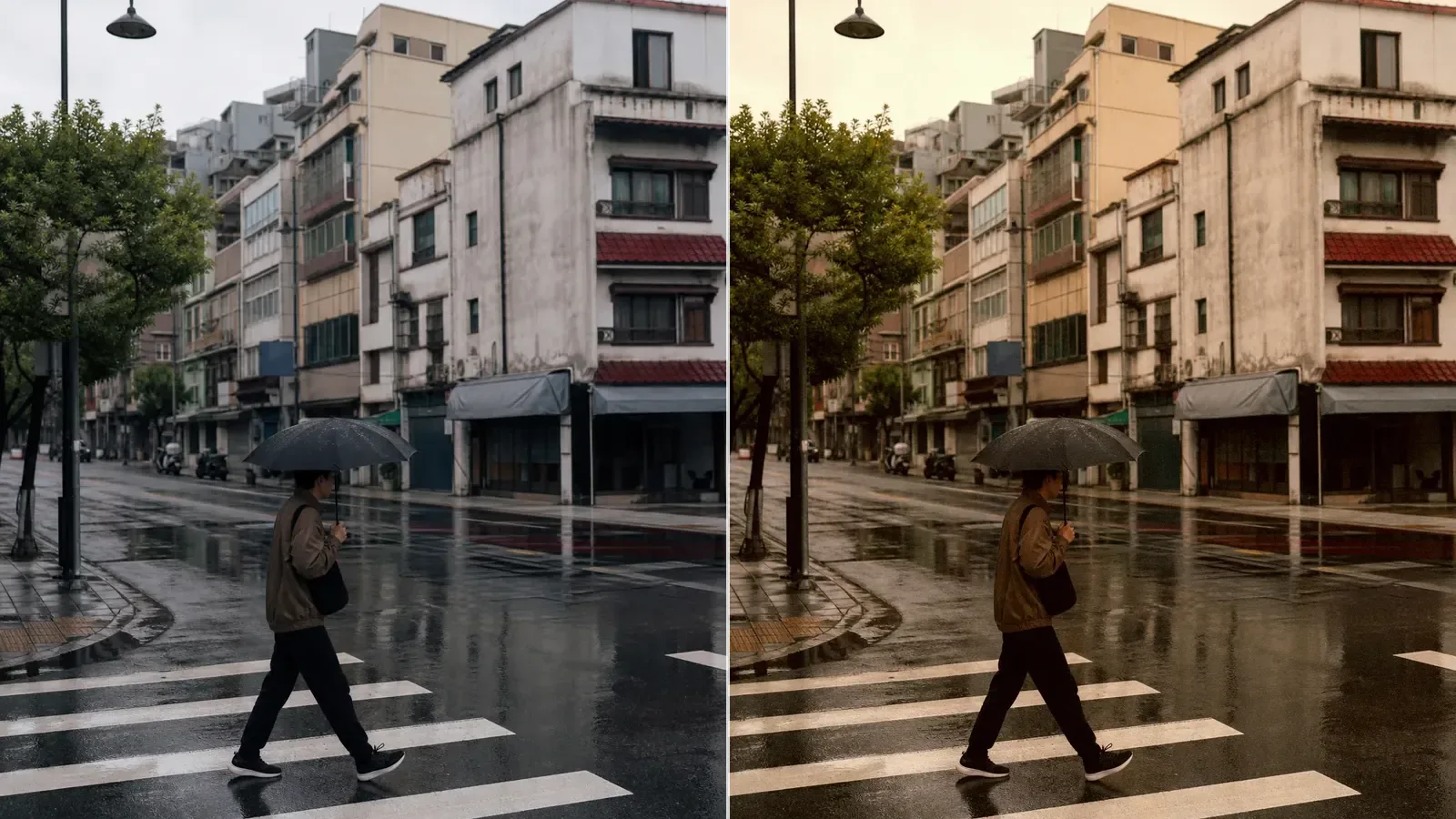
How to Make Photos Look Like 35mm Film (Without Overdoing It)
Build a believable 35mm film look with better source light, restrained contrast, color separation, grain, and filter strength.
 FilmFX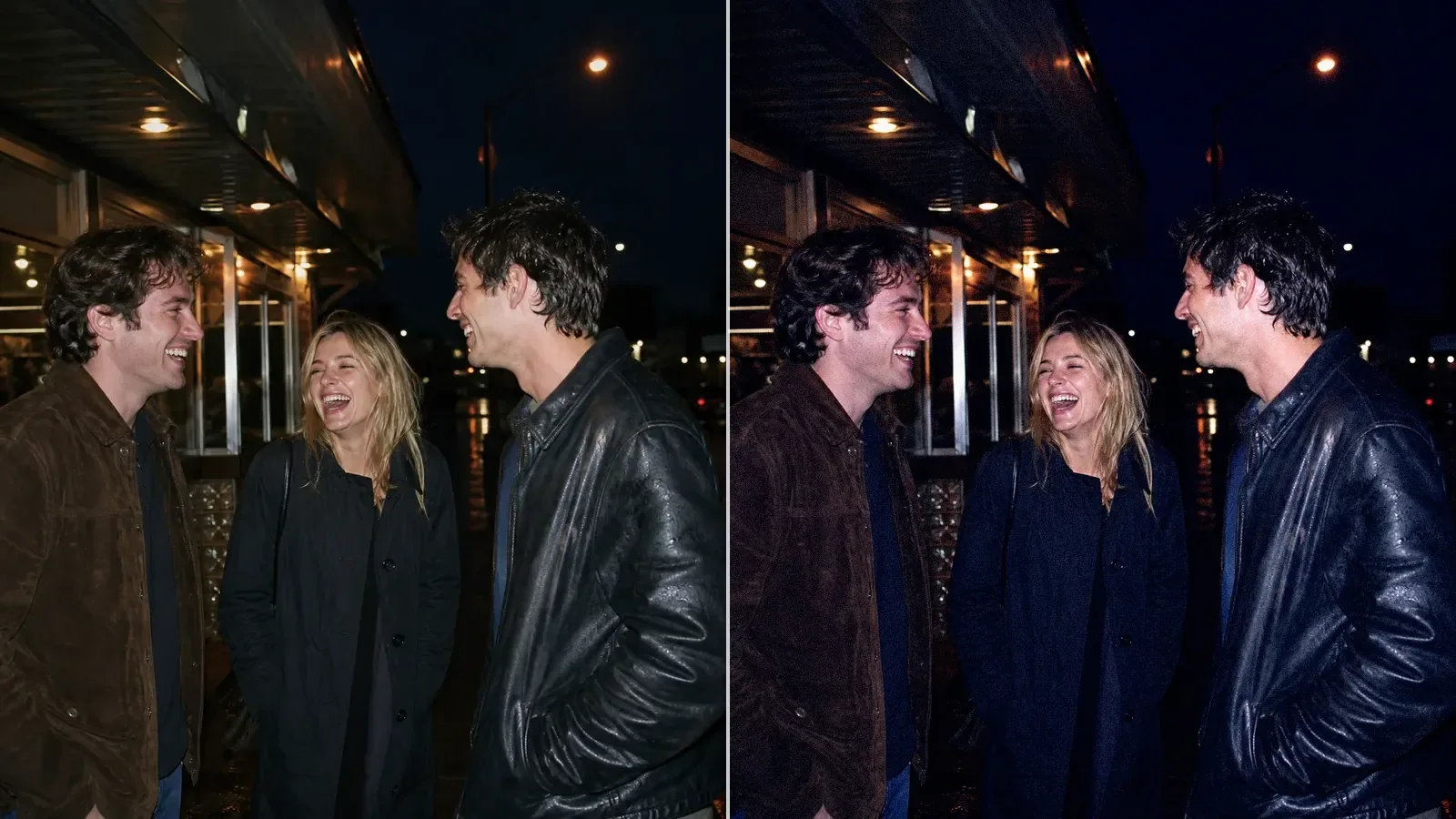
How to Get the 90s Direct-Flash Photo Look
Create a convincing 90s direct-flash look by getting the light right first, then shaping contrast, color, grain, and falloff.
FilmFX
Kodak vs Fujifilm Color: Which Look Fits Your Photo?
Compare Kodak- and Fujifilm-inspired color without relying on brand shorthand. Learn what to inspect in skin, greens, highlights, and shadows.
FilmFX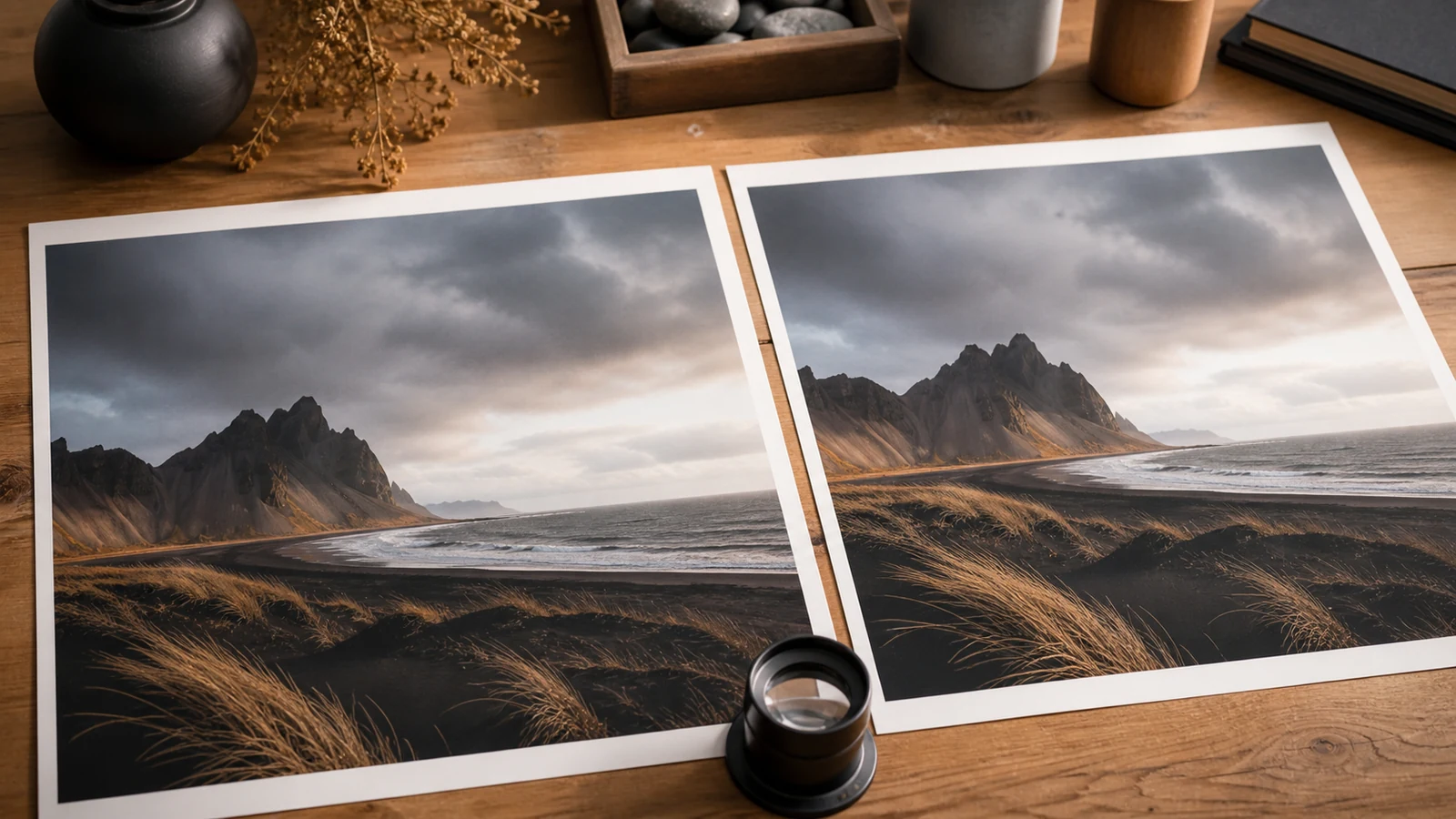
Do Photo Filters Reduce Image Quality?
Learn when filters actually reduce photo quality, how resizing and JPEG compression differ, and which export settings preserve the most detail.
FilmFX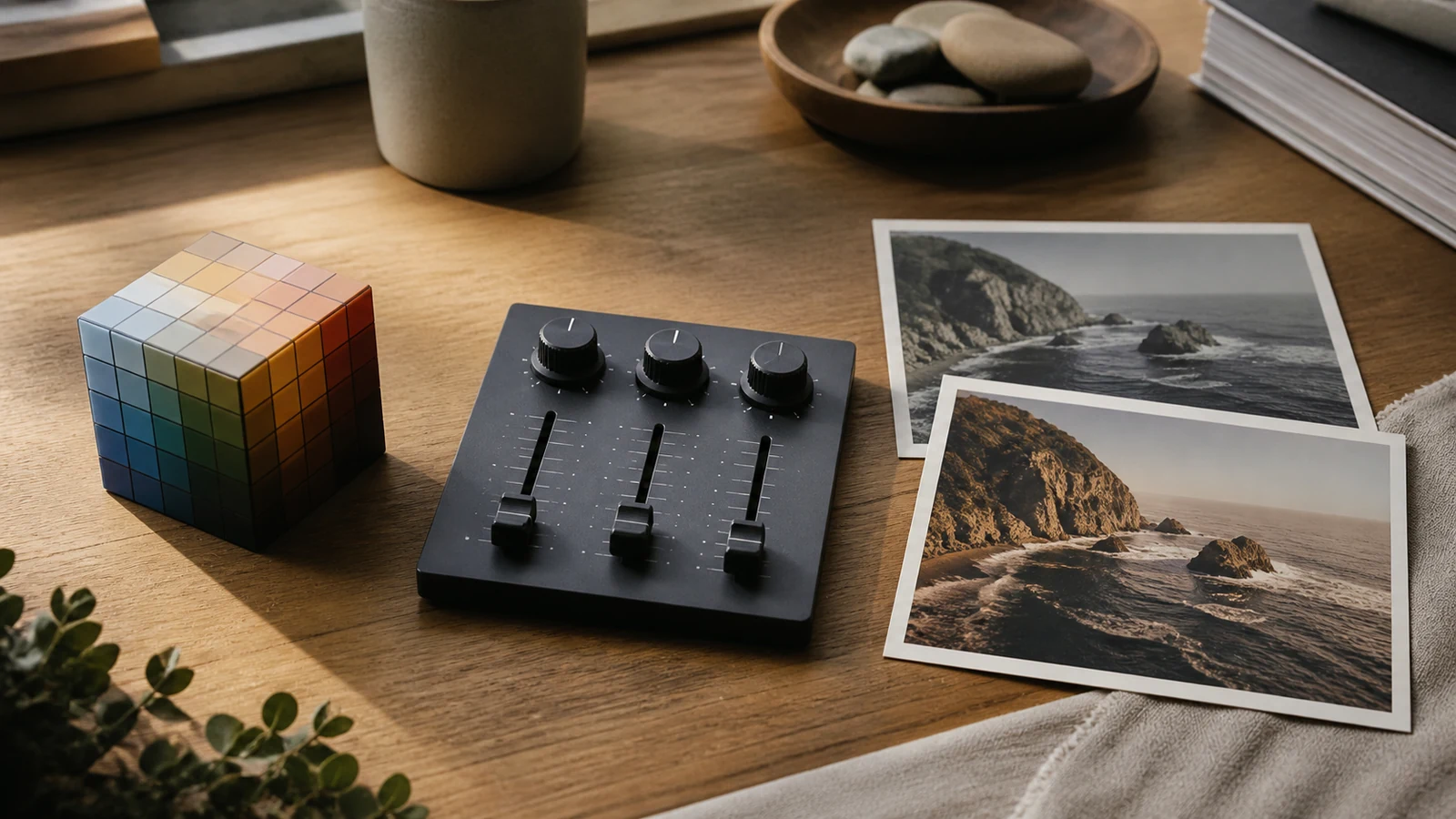
LUT vs Preset vs Photo Filter: What Is the Difference?
Compare LUTs, presets, and photo filters by what they store, where they work, how editable they are, and which one fits your workflow.
FilmFX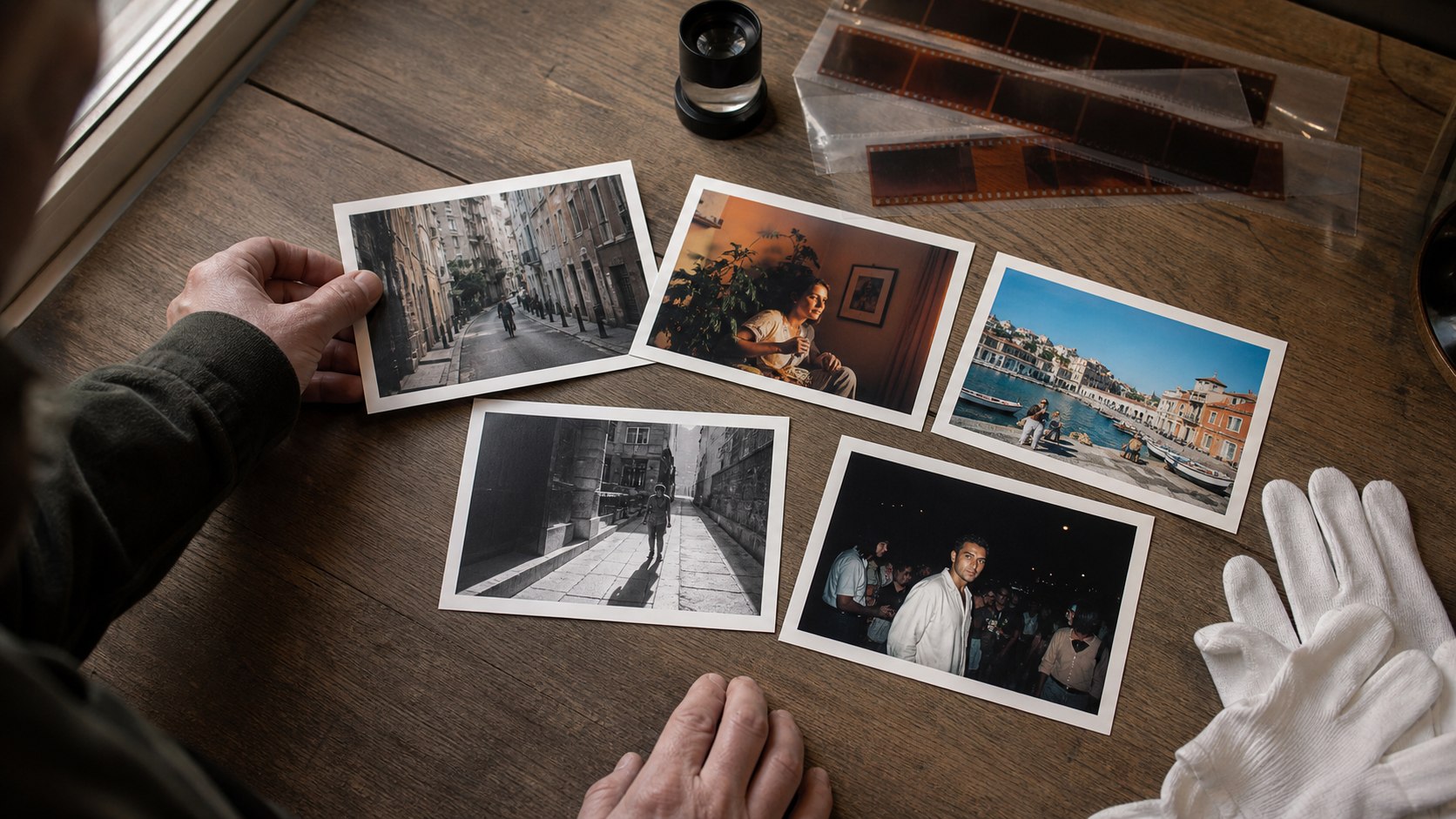
How to Choose a Film Look That Fits the Photo
A practical way to match film-inspired color to portraits, streets, landscapes, black-and-white frames, and direct flash.
FilmFX
How to Make Photos Look Like Film (Without Making Them Look Old)
Learn how to make digital photos look like film by shaping highlights, color, grain, and filter strength—without crushing detail or adding a generic vintage effect.
FilmFX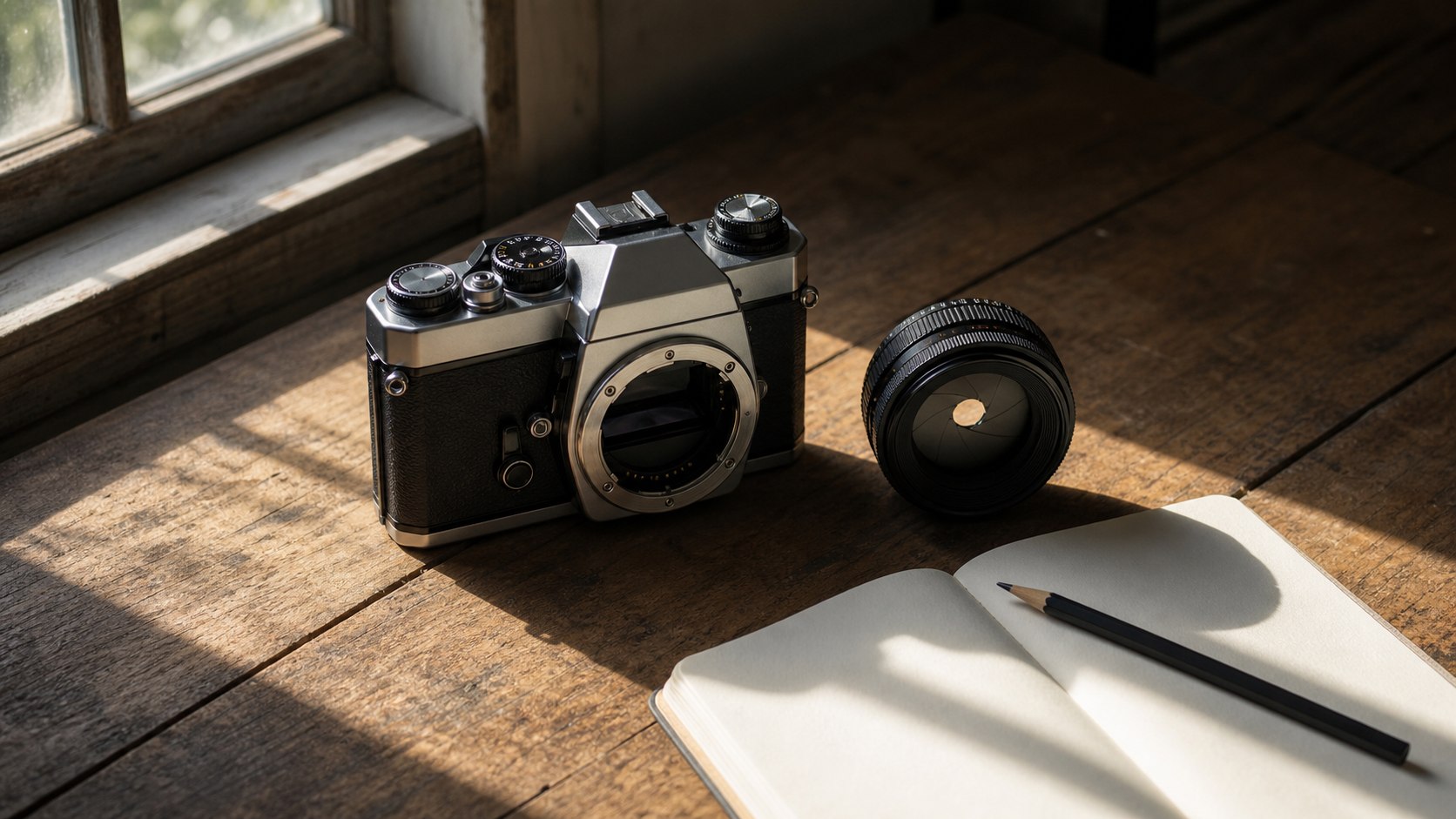
The Exposure Triangle Without the Jargon
Aperture, shutter speed, and ISO make more sense when you choose them in the order the photograph actually needs.
FilmFX
How to Take Better Window-Light Portraits at Home
Where to place the person, how to turn the face, and what to do when one ordinary window is your only light.
FilmFX
How to Give a Photograph Depth With Foreground and Layers
Use overlap, scale, framing, and a clear middle distance to make flat scenes feel more like places you can enter.
FilmFX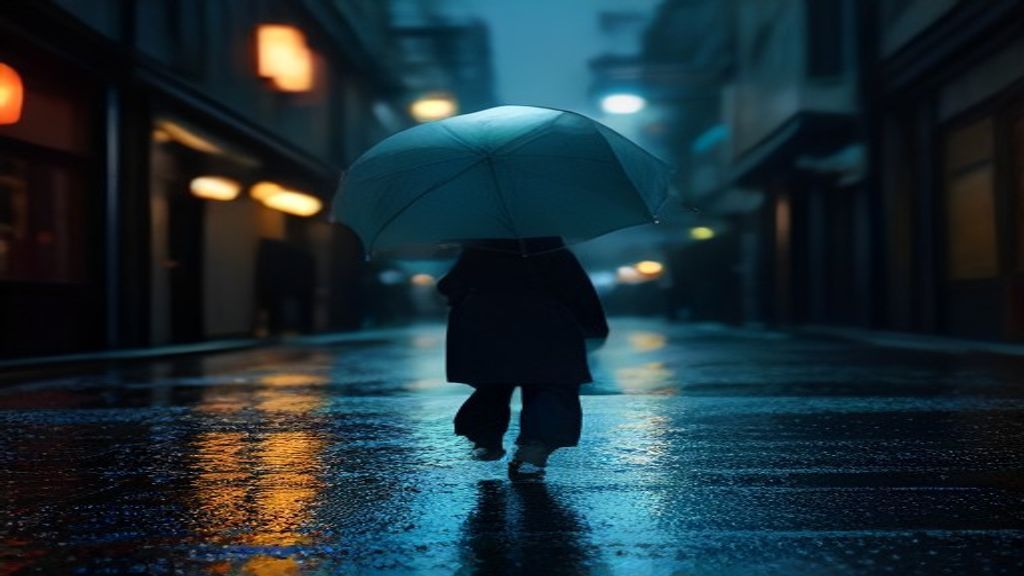
Night Street Photography Without a Tripod
Find usable light, choose a shutter speed for people, and keep the color of the night without turning every shadow black.
FilmFX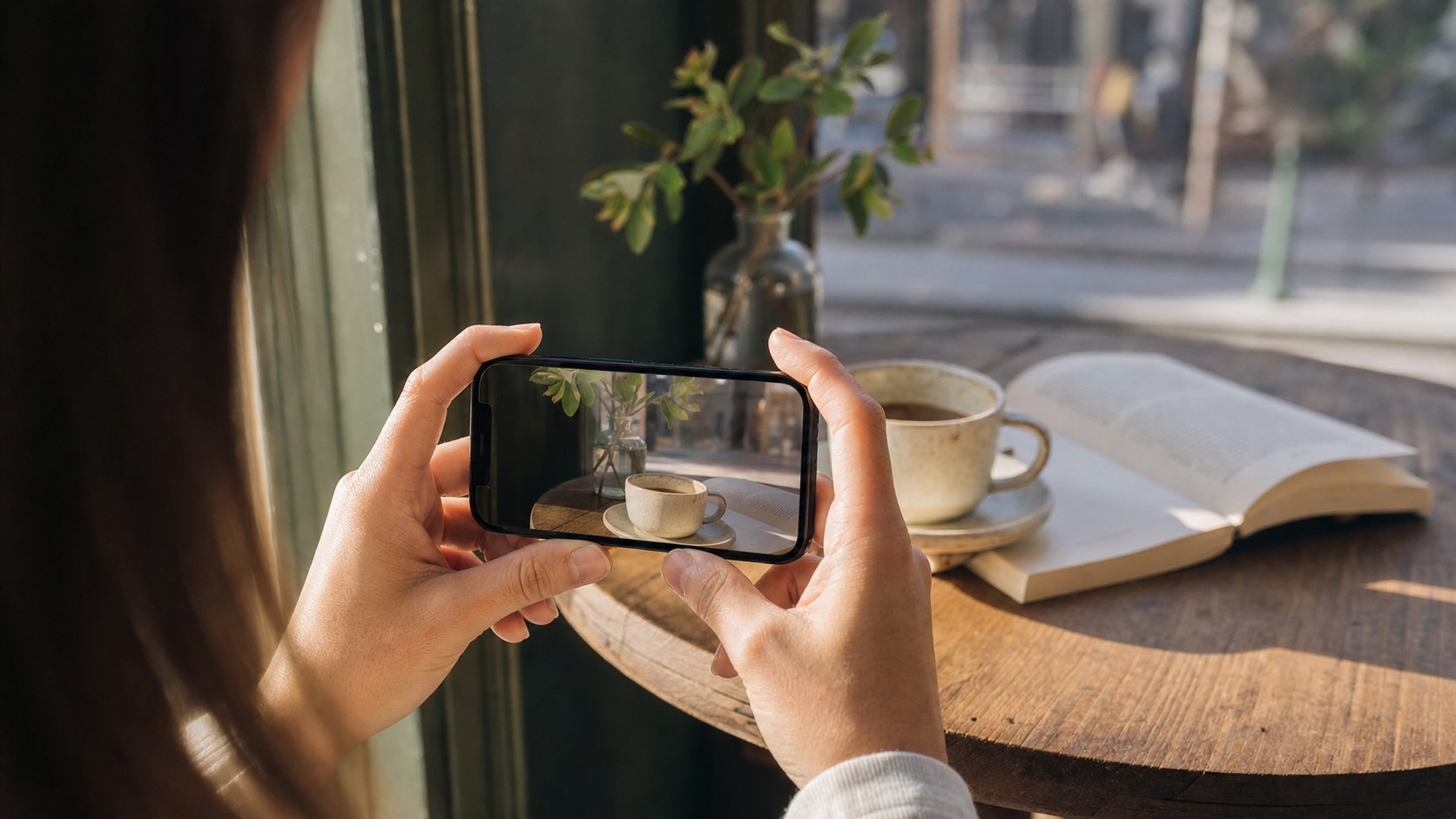
Seven Small Habits That Make Phone Photos Better
Clean the lens, control exposure, move instead of zooming, and make everyday frames more deliberate without extra gear.
FilmFX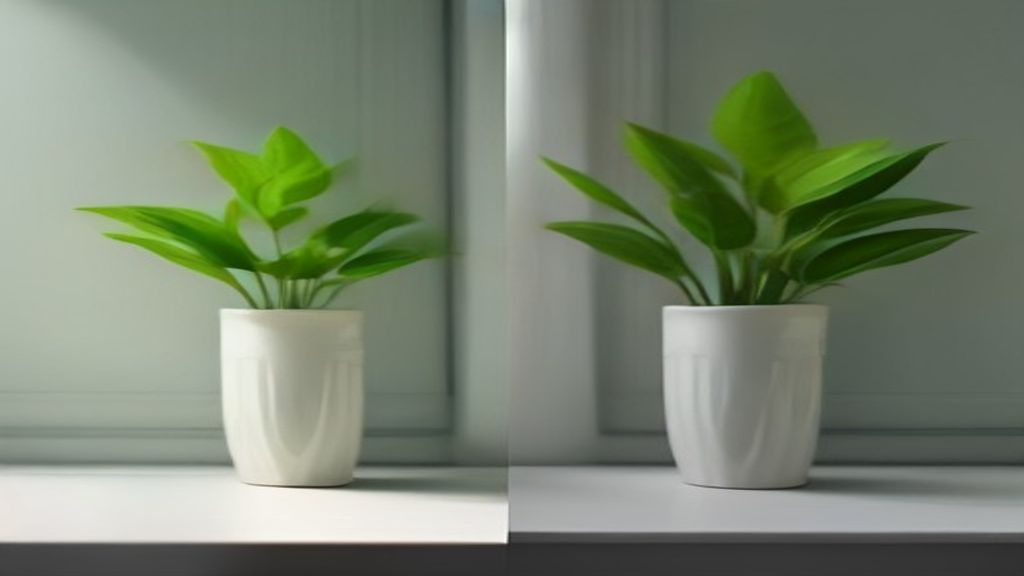
White Balance: When Neutral Color Helps—and When It Does Not
Understand Auto WB, Kelvin settings, mixed light, and how to keep skin believable without removing the mood of the scene.
FilmFX